
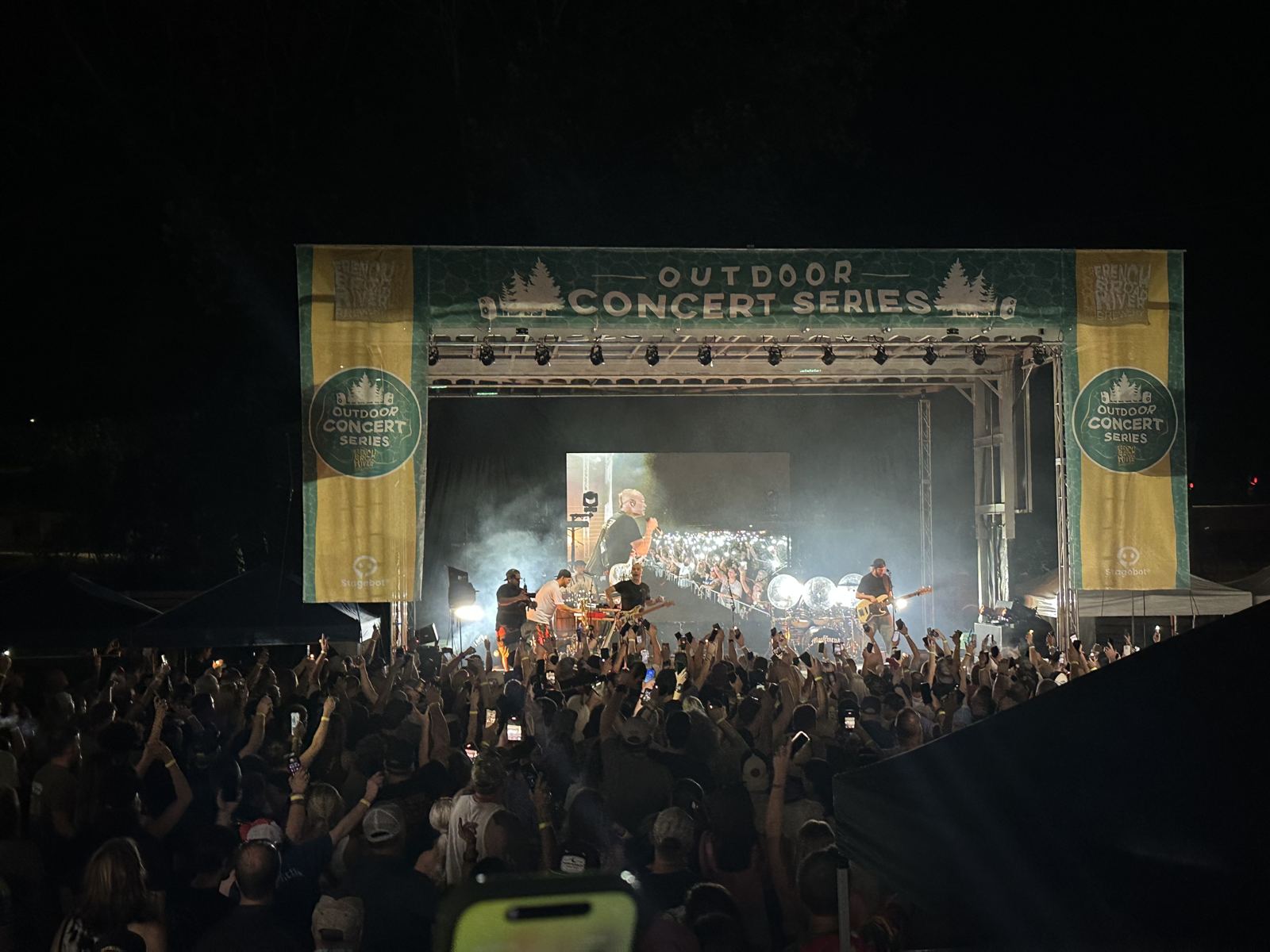
Think about the last concert you went to. Maybe you bought the tickets months ago and counted down the days. Then the lights go down, the crowd roars, and the first note hits. That rush is the same one the crew feels when we unmute the mains at curtain. Everyone in the room has been waiting for that moment, together.
And then the beat drops. That low kick drum doesn't just reach your ears. You feel it in your chest. Sound is a wave, and the same wave moves through every person in the room at once. Hundreds of people feel the same pulse at the same moment, in unison.
Scientists are actively studying how rhythm and frequency affect the brain, and that shared pulse may be part of why a great show feels so good.
Look around at a show and you'll see every kind of person. Different backgrounds, different beliefs, different lives. For those few hours, none of that matters. Everyone showed up for the same moment, and everyone feels the same beat.
From behind the stage
From behind the stage, I see more smiling, happy, alive faces than anywhere else in my life. One song in, the nerves finally settle, for the crew and the artist alike, and everyone gets to do the thing they love.
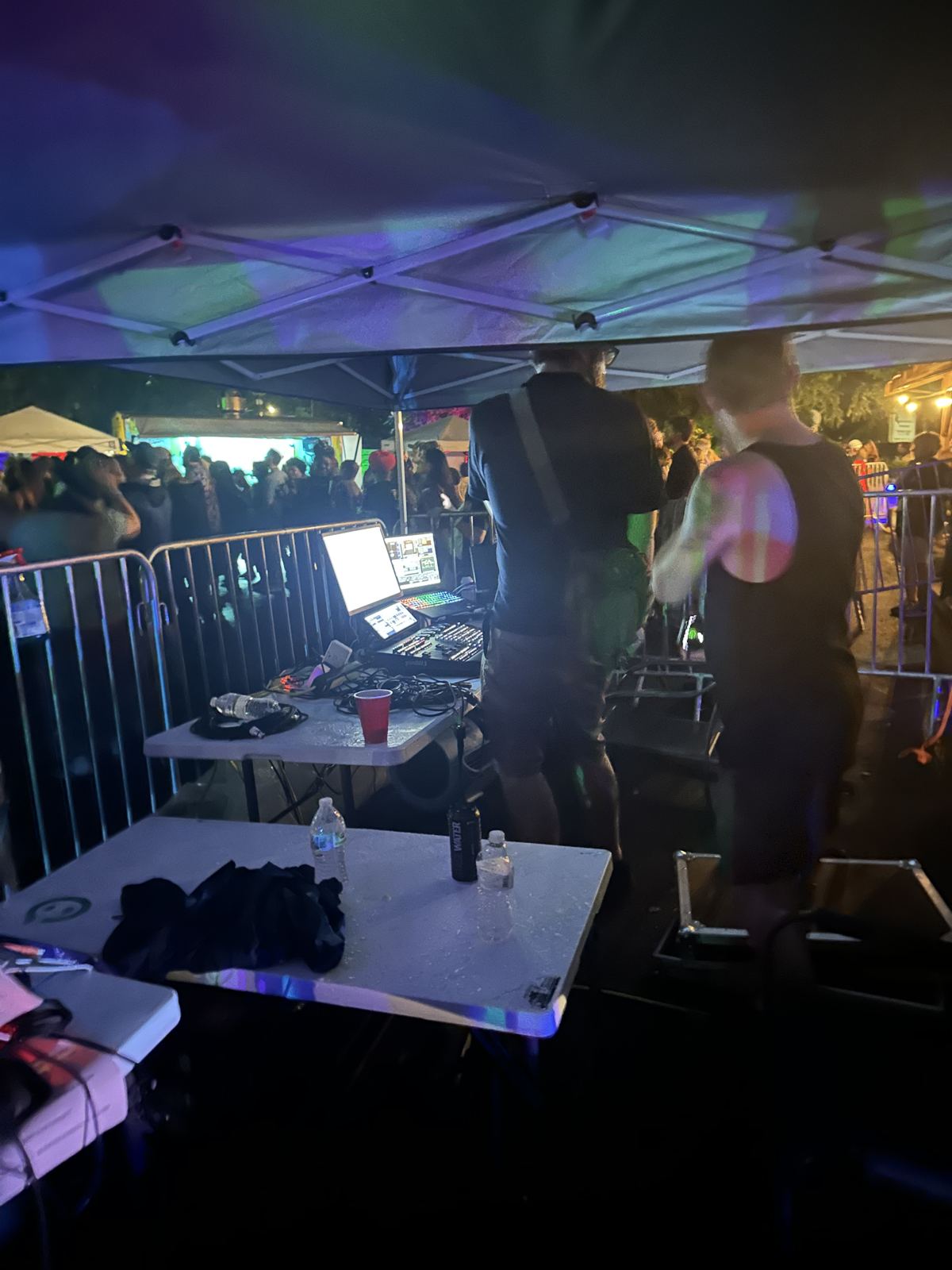
By the last song, the nerves creep back in, for me and for the crew. We're almost to the finish line.
Load-out: the show after the show
The last note fades, the crowd heads home, and a whole new show begins: load-out. It's a mad dash to the out. Every stagehand starts rolling cable, and how smoothly it goes depends on how organized the crew was during load-in. There's a saying for that: we load in for the out.
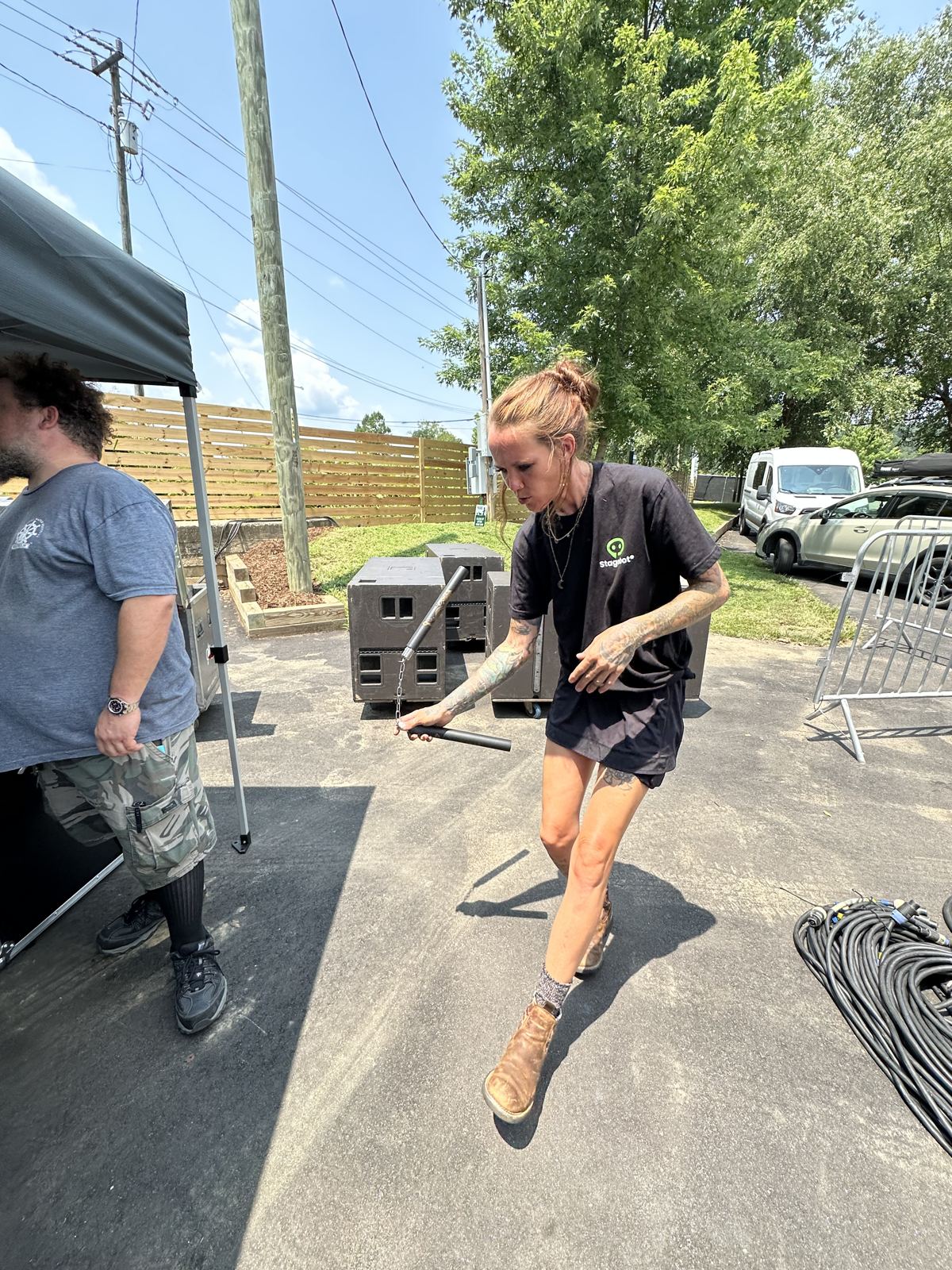
Load-out looks about the same no matter which crew set the show up. Everyone knows exactly what to do. The crowd slowly disappears until it's just us.
An hour or so in, the audio is finally down and packed. The deck gets cleared so the stage crew can start on the stage itself. The lighting techs have been waiting for this moment, because their lights hang in the roof. On the Stageline SL100, the only way to bring the lights up or down is to move the roof, and the roof runs on hydraulics. Certain steps have to happen first, in order, just like at load-in. Once the lighting crew is done, the stage comes in and teardown begins.
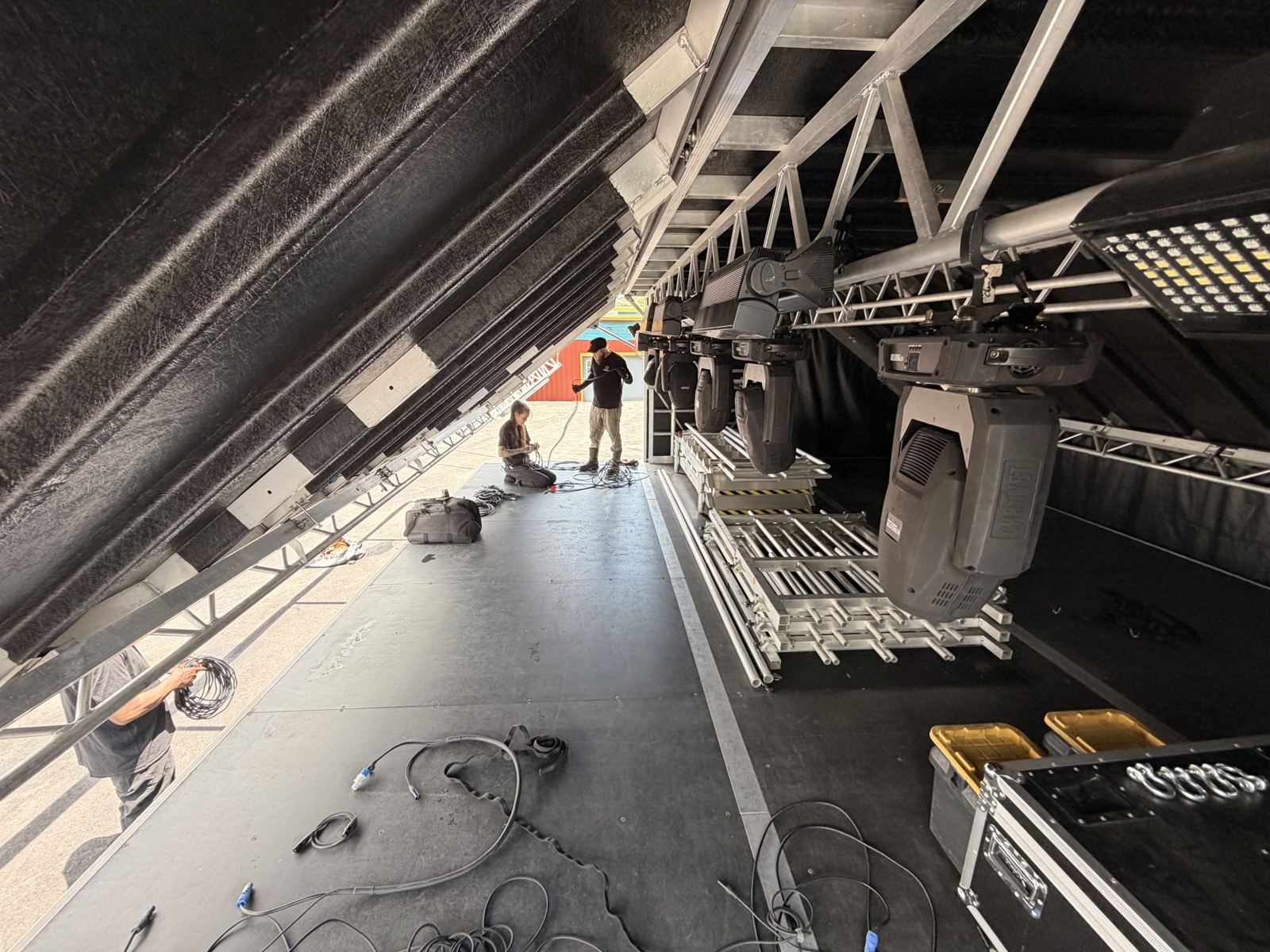
Stage crews have their own saying: first in, last out. Truthfully, it's the production lead who is first in and last out.
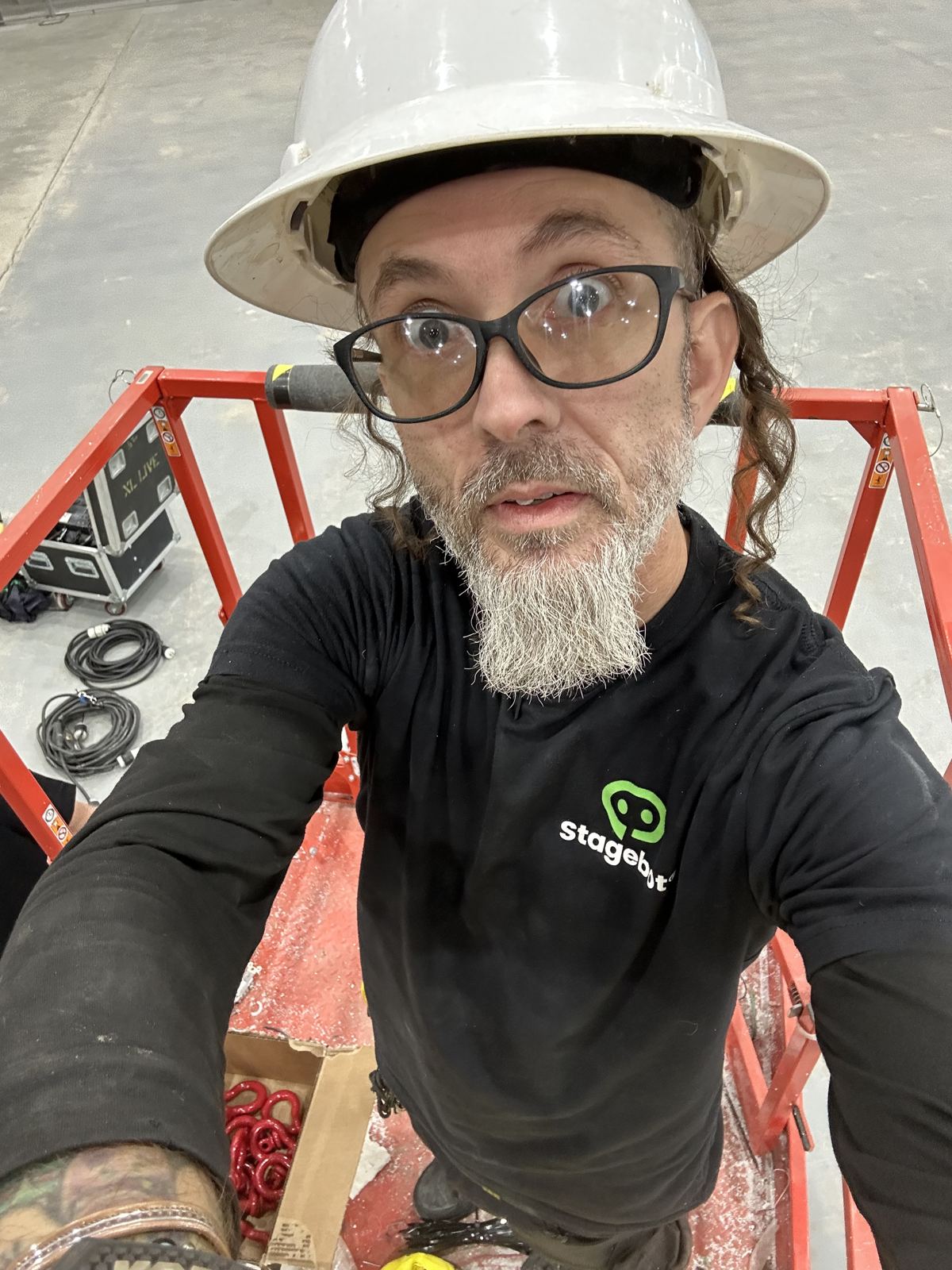
Depending on the artist, load-out takes about three to four hours. A lot of it happens in limited light, done by stagehands and techs who have been working since the first call that morning. A typical concert ends at 10 or 11 p.m., so do the math. It's a long day for everyone.
Then the truck hooks up to the SL100 and drives six hours to do the same thing all over again the very next day.
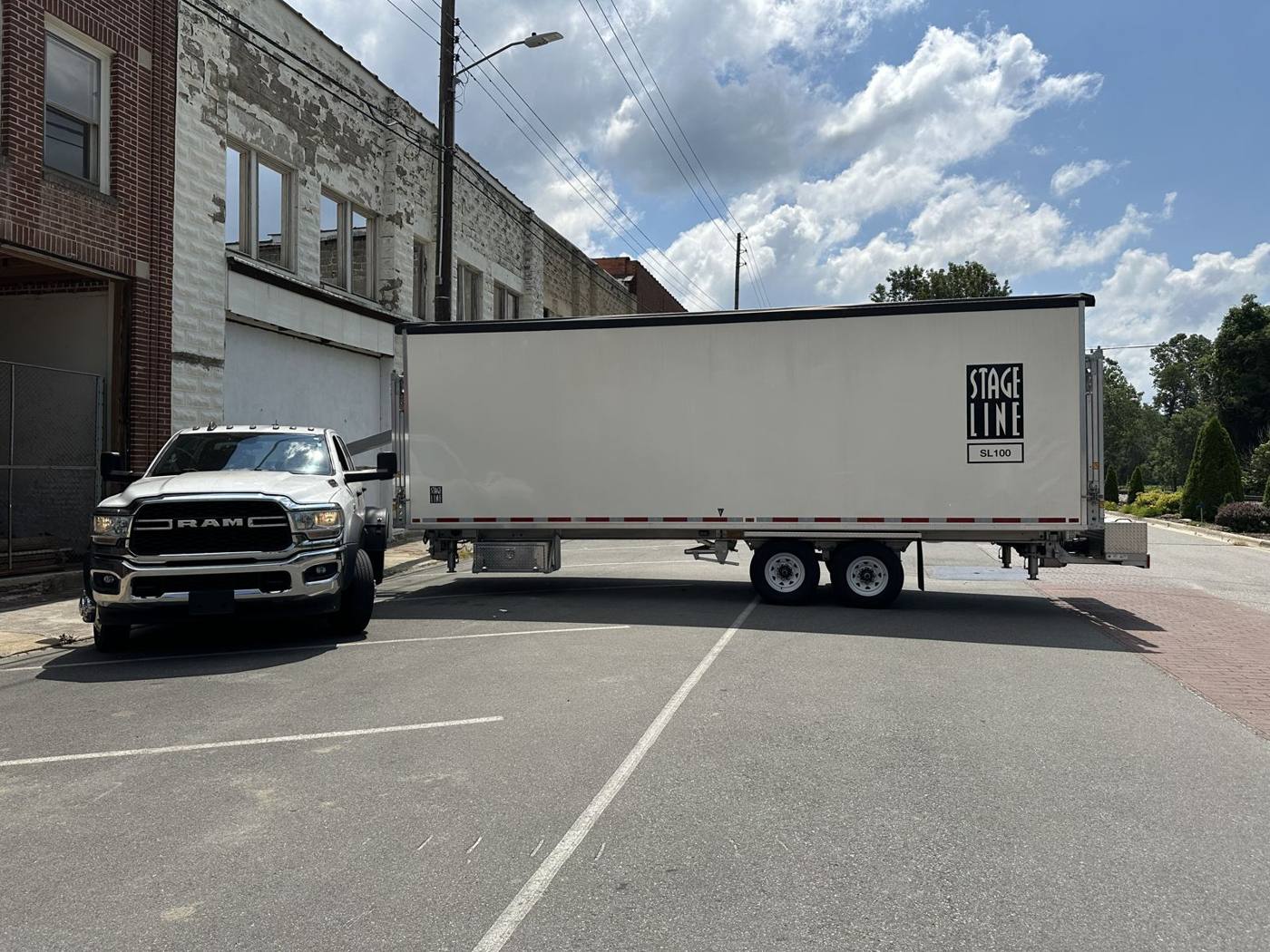
To us, it's just another Friday or Saturday night.
Planning an event? Build your show and Barbie will follow up with a quote.