
Organizing a festival is a thrilling job and an intricate one. It brings a community together, showcases talent, and makes memories, and it takes careful planning and a real grip on logistics. Whether you are hosting a small community event or a large production, here is how to throw a festival in your town.
Step 1: Define the vision
- What is the theme or purpose? Music, food, culture, art?
- Who is the audience? Families, music lovers, professionals?
- What is the budget? Count on sponsorships, ticket sales, and fundraising.
The vision drives every decision that follows, from the venue to the entertainment.
Step 2: Choose the venue and get permits
- Capacity. Make sure the space fits your crowd.
- Accessibility. Parking, transit, and accommodations for people with disabilities.
- Permits. Road closures, alcohol sales, noise ordinances, and vendors all go through your city or county.
Step 3: Build the team
- Event coordinator for the big picture
- Vendor manager for food, merchandise, and sponsor booths
- Production manager for stages, sound, and lighting
- Volunteer coordinator for ticketing, parking, and cleanup
Step 4: Plan the stage and the sound
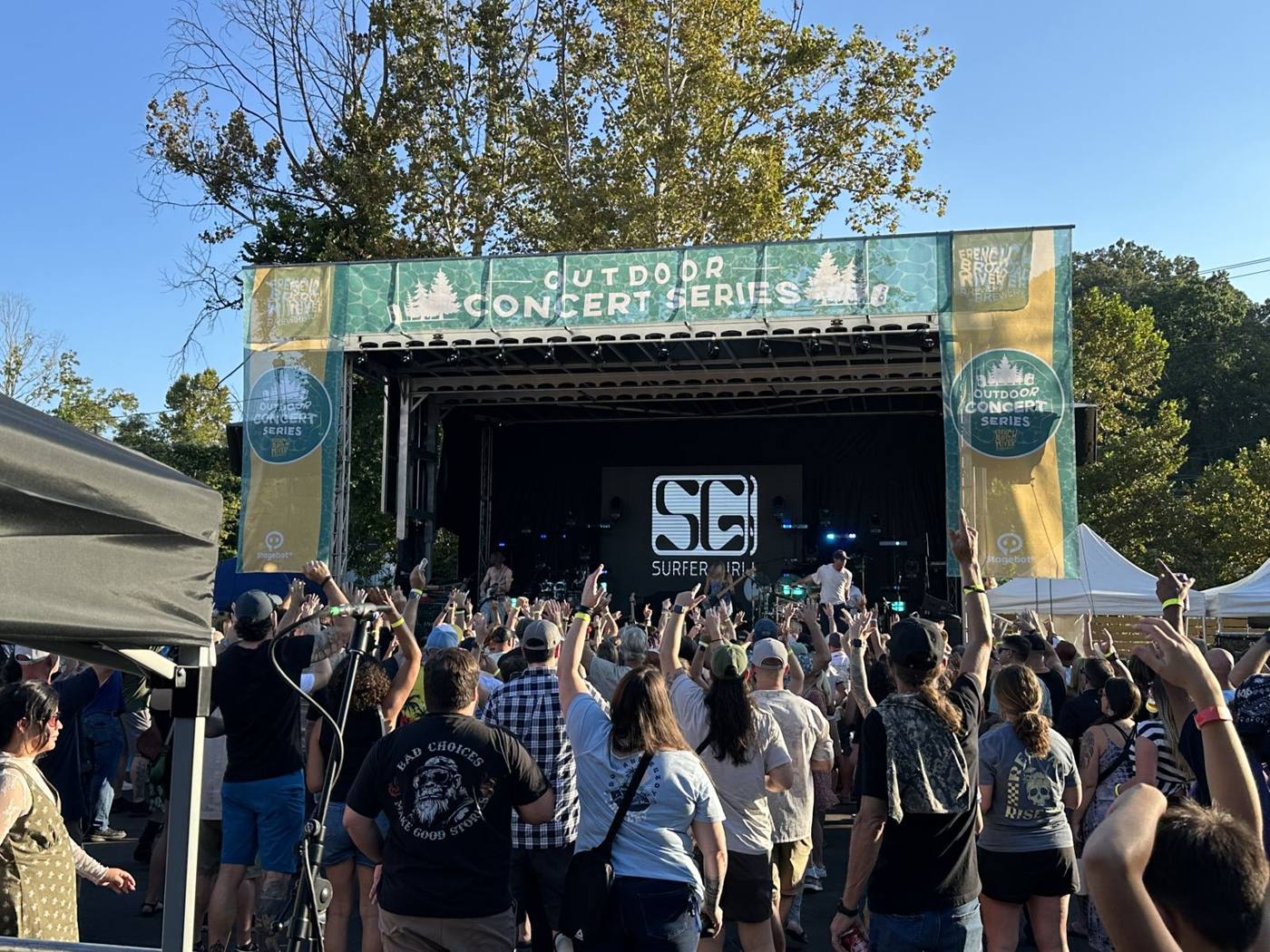
Entertainment is the heartbeat of a festival. Book a mix of headliners and local talent, then give them a real platform. A mobile stage like Jolene, our Stageline SL100, sets up in under an hour and carries professional sound and lighting. Add banners to brand the stage and thank your sponsors.
Step 5: Sponsors and vendors
- Offer tiered sponsorship packages with logo placement, banners, and stage mentions.
- Curate a mix of food, drink, crafts, and local businesses.
- Make sure every vendor meets health, safety, and city rules.
Step 6: Marketing
Use social media event pages and targeted ads, local radio, newspapers and TV, and on-site signage. Your stage banner is one of the most photographed things at the event.
Step 7: Logistics and safety
- Parking, traffic flow, and crowd movement
- Professional security, coordinated with local law enforcement
- First aid stations and EMTs on standby
- A written plan for rain, high wind, and heat
Step 8: Show day and the wrap-up
On the day, details are everything: setup, schedules, and fast answers. Afterward, gather feedback from attendees, vendors, and your team, and thank your sponsors and volunteers. That is how a one-time event becomes a tradition.
When you are ready to put a stage on the map, build your show and we will help with the rest.
Planning an event? Build your show and Barbie will follow up with a quote.